
All Up to 45 mins articles – Page 10
-
 Article
Global Institutions: Secondary (A2)—Education for Sustainable Development and Citizenship Programme
This lesson can help your students evaluate critical perspectives of global institutions.
-
 Article
Global Cultures: Secondary (A2)—Education for Sustainable Development and Citizenship Programme
This lesson can help your students recognize different perspectives from a variety of global cultures.
-
 Article
Controversial Issues: Secondary (A2)—Education for Sustainable Development and Citizenship Programme
This lesson can help your students critically examine opinions on a controversial issue, including their own.
-
 Article
Personal Complicity: Secondary (A2)—Education for Sustainable Development and Citizenship Programme
This lesson can help your students identify personal complicity in negative outcomes, both interpersonal and global.
-
 Article
Education for Sustainable Development and Citizenship Programme: Secondary
The Education for Sustainable Development and Citizenship (ESDC) Programme is a Macmillan Education initiative whose vision is to design, deliver, and promote lessons, not only to develop students’ English skills, but also transform the world for the better.
-
 Article
Digital Skills for Teens: Intermediate—Digital storytelling
Students learn how to use different media to build their own digital storytelling project.
-
 Article
Digital Skills for Teens: Elementary—Timelines
Students learn how to make creative online timelines to share their information easily.
-
 Article
Digital Skills for Teens: Pre-Intermediate—Online presentations
Students learn how to make online presentations to create their own and share with the class.
-
 Article
Digital Skills for Teens: Upper Intermediate—Storyboards
Guide students step by step to use digital tools and build appealing storyboards to share with the class.
-
 Article
Friends Around the World: Pre-Primary—Education for Sustainable Development and Citizenship Programme
This lesson can help your students identify aspects of other cultures.
-
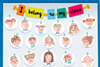 Article
I Belong: Pre-Primary—Education for Sustainable Development and Citizenship Programme
This lesson can help your students recognize themselves as part of one or more wider networks.
-
 Article
Digital Skills for Teens: Pre-Intermediate—Digital Cartoons
Help your students discover how to create digital and animated cartoons to share with the class.
-
 Article
Let’s Work Out: Pre-Primary—Education for Sustainable Development and Citizenship Programme
This lesson can help your students recognize the importance of exercise.
-
 Lesson
I’m Like You: Pre-Primary—Education for Sustainable Development and Citizenship Programme
This lesson can help your students compare and contrast their own identity with that of others.
-
 Article
Same but Different: Pre-Primary—Education for Sustainable Development and Citizenship Programme
This lesson can help your students recognize the diversity of the world around them.
-
 Article
I Like Food!: Pre-Primary—Education for Sustainable Development and Citizenship Programme
This lesson can help your students identify their own likes and dislikes and recognize they might be different to those of others.
-
 Article
Be Kind: Pre-Primary—Education for Sustainable Development and Citizenship Programme
This lesson can help your students recognize that personal behavior can have a positive or negative impact on others.
-
 Article
Education for Sustainable Development and Citizenship Programme: Pre-Primary
The Education for Sustainable Development and Citizenship (ESDC) Programme is a Macmillan Education initiative whose vision is to design, deliver, and promote lessons, not only to develop students’ English skills, but also transform the world for the better.
-
 Article
Love Fruits and Veggies: Pre-Primary—Education for Sustainable Development and Citizenship Programme
Help your preschool students distinguish fruits and vegetables from other foods with this engaging lesson.
-
 Article
Be What You Want to Be: Pre-Primary—Education for Sustainable Development and Citizenship Programme
This lesson can help your students recognize that jobs and family roles are not gender specific.