
Classify the objects according to what they're made of: plastic, wood, metal or glass.
Downloads
Click link to download and view these filesWhat is it made of?
PDF, Size 1.13 mb
Classify the objects according to what they're made of: plastic, wood, metal or glass.

Read about a new form of air transport that the developers hope will offer commercial flights around New York City.

Read an advice column answering a question about maintaining friendships.

Read about how the overuse of digital technology may reduce students’ ability to comprehend and retain information, and to think critically.
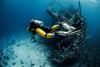
Introduce your students to Silvia Alice Earle, famous for her underwater travels.
Students complete exercises on related vocabulary, sentence order and where to use the infinitive / gerund, and design a poster. Key vocabulary and practical teacher’s notes are included.
In this experiment, pupils observe how dirty water can become clean using a few simple pieces of equipment. Students complete gap-fill exercises to practise related vocabulary and identify mistakes in a series of images relating to the experiment. Key vocabulary and practical teacher’s notes are included.
With more than 700,000 registered users in over 100 countries around the world, Onestopenglish is the number one resource site for English language teachers, providing access to thousands of resources, including lesson plans, worksheets, audio, video and flashcards.
©Macmillan Education Limited 2025. Company number: 1755588 VAT number: 199440621
Site powered by Webvision Cloud
No comments yet