
All Intermediate articles – Page 16
-
 Article
Advancing Teaching: Social and Emotional Learning
Learn about Social Emotional and Learning and how to incorporate it into an ESL classroom.
-
 Article
Vocabulary Builders: Colour Language
Is there a colour language? Increase students’ vocabulary by exploring words and meanings related to colours.
-
 Teaching tool
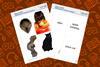
Game Cards: Halloween & Fantasy Creatures
Get your students ready to have fun this Halloween with this spooky set of Game Cards.
-
 Article
Education for Sustainable Development and Citizenship Programme: Secondary
The Education for Sustainable Development and Citizenship (ESDC) Programme is a Macmillan Education initiative whose vision is to design, deliver, and promote lessons, not only to develop students’ English skills, but also transform the world for the better.
-
 Article
Digital Skills for Teens: Intermediate—Digital storytelling
Students learn how to use different media to build their own digital storytelling project.
-
 Article
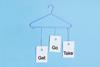
Vocabulary Builders: Getting the hang of get, go and take
Boost your students’ vocabulary with expressions using three of the most commonly used English verbs: get, go and take.
-
 Article
Advancing Teaching: Cooperative Language Learning
Learn how to move away from the traditional approach to language teaching towards cooperative learning.
-
 Article
Vocabulary Builders: Internet Language
What is the difference between patois, jargon, and slang? Get your students to discover more about language variations!
-
 Lesson
Live from London: Business — Relationships
Watch a video about different ways of building good relationships with colleagues.
-
 Article
Education for Sustainable Development and Citizenship Programme: Pre-Primary
The Education for Sustainable Development and Citizenship (ESDC) Programme is a Macmillan Education initiative whose vision is to design, deliver, and promote lessons, not only to develop students’ English skills, but also transform the world for the better.
-
 Article
Digital Skills for Teens: Intermediate—Digital timelines
Students learn about digital timelines and create their own to share information with others.
-
 Article
We’re All Connected: Primary (A1)—Education for Sustainable Development and Citizenship Programme
This lesson can help your students identify some of the connections between their own community and the outside world.
-
 Article
Education for Sustainable Development and Citizenship Programme: Primary
The Education for Sustainable Development and Citizenship (ESDC) Programme is a Macmillan Education initiative whose vision is to design, deliver, and promote lessons, not only to develop students’ English skills, but also transform the world for the better.
-
 Article
Fact or Opinion?: Primary (A1+)—Education for Sustainable Development and Citizenship Programme
This lesson can help your students recognize the difference between a fact and an opinion.
-
 Article
We’re the Same, We’re Different: Primary (PreA1)—Education for Sustainable Development and Citizenship Programme
This lesson can help your students identify distinguishing features of a variety of global cultures.
-
 Article
Student and Teacher Roles: Primary (A1)—Education for Sustainable Development and Citizenship Programme
This lesson can help your students identify and understand the roles of the student and the teacher.
-
 Article
All Actions Have Outcomes: Primary (A1+)—Education for Sustainable Development and Citizenship Programme
This lesson can help your students recognize the difference between action and outcome and classify these as positive and negative.
-
 Article
Kindness and Respect in the Community: Primary (A1+)—Education for Sustainable Development and Citizenship Programme
This lesson can help your students engage with different profiles of global citizens.
-
 Article
Where Are You From?: Primary (A1)—Education for Sustainable Development and Citizenship Programme
This lesson can help your students recognize different nationalities.
-
 Article
Be Considerate: Primary (A1)—Education for Sustainable Development and Citizenship Programme
This lesson can help your students learn how to behave in a considerate and respectful way in their community.